Renting a storage unit gives you extra room, but getting the most from that space depends on how you pack it. Without a plan, boxes can become difficult to reach, furniture can take up more space than necessary, and belongings you need later may end up buried at the back. Taking a little extra time before move-in can make your storage unit much easier to organize and use.
Tidwell Self Storage offers self-storage in Northeast Houston near Summerwood, Lake Houston, Humble, Atascocita, and Kingwood. Whether you are storing belongings during a move, clearing space at home, or organizing business inventory, planning the layout before you start unloading can help you use the available space more efficiently.
Sort Your Belongings Before Packing
Before filling boxes, decide what actually needs to go into storage. Separate your belongings into categories for storage, donation, recycling, disposal, selling, or keeping at home. Removing unnecessary items before move-in may reduce the amount of storage space you need and make everything else easier to organize.
For items that can be recycled, there are several recycling centers in Houston, including a location in Kingwood on West Lake Houston Parkway. Reviewing local recycling options before packing can help keep unwanted materials from taking up valuable room in your unit.
Choose the Right Storage Unit Size
Packing efficiently starts with having enough room for your belongings without renting significantly more space than you need. Create an inventory of furniture, appliances, boxes, equipment, and other larger items before choosing a unit. Measuring bulky belongings can give you a clearer idea of the floor space they will require.
If you are unsure where to begin, Tidwell Self Storage's storage unit size guide can help you compare your belongings with different storage options. Remember to account for walking space if you expect to visit the unit regularly, rather than only calculating whether everything will physically fit.
Use Sturdy, Consistent Boxes
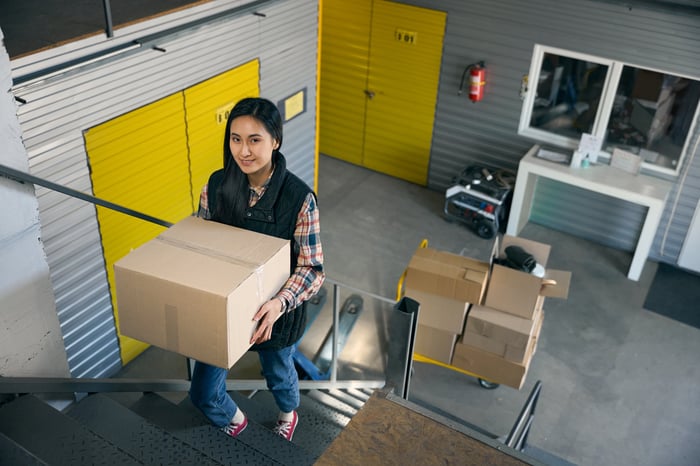
Using boxes of similar sizes can make stacking much easier. Sturdy containers create more stable stacks and allow you to use vertical space instead of spreading everything across the floor. Place heavier boxes at the bottom and lighter or more fragile containers above them.
Avoid overfilling boxes until they become difficult to lift or begin to bulge. A box that loses its shape can make an entire stack unstable. Keeping each container at a manageable weight also makes it easier to rearrange the unit later when you need something.
Label Boxes on More Than One Side
You may remember what is inside every box on moving day, but that becomes much harder several months later. Label each container with its general contents and the room or category it belongs to. Put labels on multiple sides so they remain visible regardless of how the boxes are stacked.
For a more detailed system, number your boxes and keep a corresponding inventory on your phone or computer. Instead of opening several containers to find one item, you can check your list and locate the correct box. This can be particularly useful during a move when some belongings remain in storage longer than expected.
Plan the Layout Before Unloading
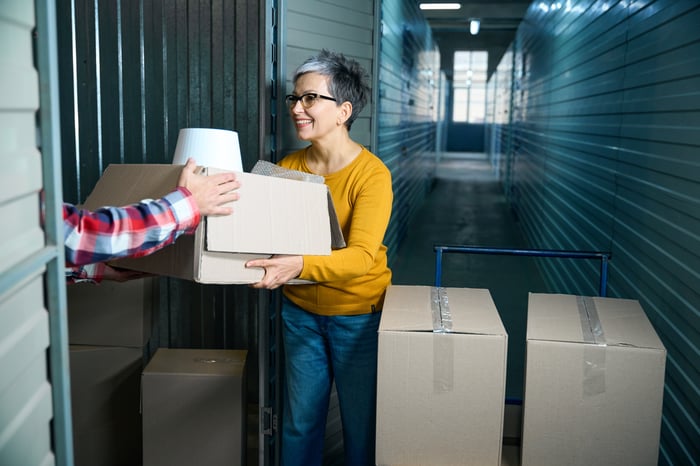
Decide where major categories of belongings will go before carrying everything into the unit. Furniture and items you will not need for a while can usually go toward the back, while seasonal belongings, business supplies, documents, or frequently used equipment should remain closer to the entrance. Establishing these zones early can prevent unnecessary rearranging later.
If your unit has enough room, leave a narrow aisle through the center or along one side. Filling every inch of floor space may seem efficient at first, but it can make accessing belongings at the back extremely difficult. A small walkway can make the entire unit more practical.
Make Use of Vertical Space
A storage unit offers more than floor space. Safely using the available height can significantly increase the amount you can organize without creating an overcrowded layout. Stack sturdy boxes with heavier containers at the bottom, and consider freestanding shelving for smaller boxes or belongings you expect to retrieve regularly.
Furniture can also provide useful storage space. Empty bookcases, cabinets, and sturdy shelving units can hold lightweight containers rather than sitting unused. Keep stacks stable and avoid placing heavy items on furniture or on boxes that are not designed to support additional weight.
Disassemble Large Furniture
Tables, bed frames, desks, and other large pieces of furniture can waste unnecessary floor space when left fully assembled. When practical, remove table legs, shelves, headboards, and other detachable pieces before moving them into storage. Keep screws, bolts, and other hardware in labeled bags and secure them to the corresponding furniture so they are easy to find later.
Protect furniture with appropriate covers or moving blankets during transportation and storage. Avoid using plastic directly on materials when doing so could trap moisture. Position larger furniture carefully so it remains stable and does not block access to boxes you may need sooner.
Account for Northeast Houston's Climate
Heat and humidity are important considerations when storing certain household belongings in the Houston area. Furniture, electronics, photographs, paperwork, artwork, and other sensitive items may require more consideration than tools or other durable belongings. Tidwell Self Storage offers climate-controlled options for customers seeking a more controlled storage environment.
If you are new to the area, Tidwell's guide to living in Northeast Houston provides additional information about Humble, Atascocita, Kingwood, and nearby communities. Understanding the local environment and the space you have at home can help you decide which belongings make sense to keep in storage.
Keep Outdoor and Recreational Gear Together
Northeast Houston residents have access to parks, waterways, trails, fishing, camping, and other outdoor activities. Bicycles, camping supplies, fishing equipment, coolers, paddling gear, and sports equipment can take up substantial space in the garage and closets when not in use.
The Houston Parks and Recreation Department's Lake Houston Wilderness Park includes trails, camping areas, a canoe launch, fishing areas, and other outdoor amenities. Keeping recreational belongings together in one area of your storage unit makes it easier to retrieve everything for a trip without searching through household boxes.
Keep Frequently Used Items Near the Front
Think about what you are likely to retrieve first. Holiday decorations, seasonal clothing, business inventory, tools, recreational equipment, or important records may need to come out long before furniture or other long-term belongings. Place these frequently used items near the entrance whenever possible.
Organizing by retrieval frequency can be more useful than simply arranging everything according to size. If you know camping gear will be needed next month, for example, there is little benefit in putting it behind furniture you do not expect to move for a year. Planning around future visits can save considerable time.
Avoid Packing Everything Too Tightly
Efficient packing does not mean eliminating every gap in the unit. You still need enough space to move safely, read labels, and retrieve belongings without knocking over stacks. An overcrowded unit can quickly become frustrating even if everything technically fits inside.
Take a few minutes after loading each section to check whether boxes are stable and accessible. If reaching one container requires moving several heavy pieces of furniture, reconsider the arrangement before continuing. Leaving a little open space can make your storage unit much easier to use over time.
Organize Your Self Storage Unit From the Start
Learning how to pack a self storage unit comes down to planning. Sort your belongings before move-in, choose an appropriate unit size, use sturdy boxes, label everything clearly, and organize the unit according to how frequently you expect to retrieve different items. Using vertical space and leaving an accessible walkway can also help you get more practical use from your unit.
Tidwell Self Storage provides storage units in Northeast Houston for moving, household, business, and everyday storage needs. Creating a simple inventory and layout before move-in can make the entire process easier and help you keep your belongings organized when you return to your unit.